Article Library
Public materials about Sun Yang and GTA Home Inspection
This page brings media activity, profile notes, case observations, and inspection articles into the website so visitors can read the key information without leaving the site.
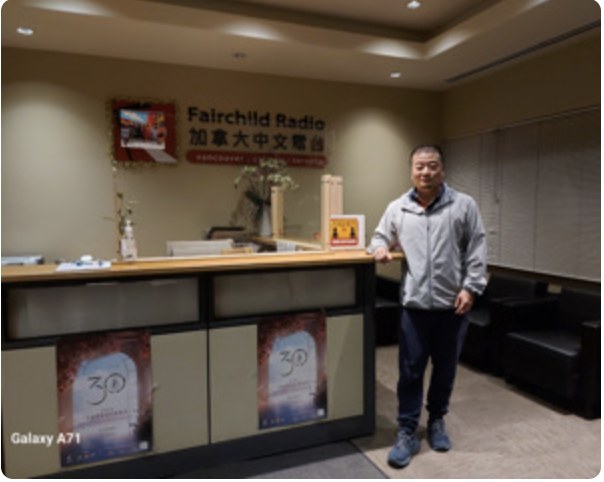
Fairchild Radio Interview
The Fairchild Radio interview supports the home page media section and Insights library by showing Sun Yang's public sharing on inspection knowledge, buyer reminders, and home maintenance concerns with the Chinese community.
Company Employee Seminar
The company employee seminar supports the positioning that Sun Yang's work includes education and practical explanation, not only transaction-stage inspections.

58home.ca YouTube Interview
The 58home.ca YouTube interview video ID is MLdDwMZTDqU. Keeping the video inside this site lets visitors see Sun Yang's communication style and public-facing explanation before they contact the company.
Public Service Profile
The 58home public service profile presents Sun Yang as an experienced professional home inspector serving the Greater Toronto Area. It lists Canadian low-voltage building systems background, Durham College Home Inspection training, a President Honour award, professional home inspection courses, OBC health and safety credentials, Working at Heights training, infrared inspection tools, WSIB coverage, and commercial insurance.
These points support the website's About section and help visitors understand training, tools, and service assurance before booking.
Scope of a Standard Canadian Home Inspection
A standard inspection covers major visible systems such as roofing, structure, plumbing, electrical, heating, cooling, interior, exterior, and insulation. It usually begins outside and then moves through interior areas and accessible mechanical spaces.
Exterior observations include roofing, drainage, grading, walkways, windows, doors, cladding, foundation walls, attached garages, air-conditioning equipment, chimneys, and exterior utility locations. Interior observations include signs of leakage, stairs, floors, walls, ceilings, ventilation, visible structure, plumbing fixtures, outlets, switches, panels, HVAC, water heaters, and accessible attic areas.
The article also clarifies that a standard inspection is visual. It does not include destructive testing, moving private belongings, activating shut-off utilities, swimming pools, irrigation systems, septic systems, wells, water treatment equipment, or many household appliances.
New Townhouse Rim Joist Moisture and Mould Case
This case documents a May 2025 new townhouse inspection where a basement framing area showed elevated wood moisture and visible mould. The case is useful for new-home buyers because it shows that a new property still needs review beyond finish details.
For this site, the item is positioned as a case observation: PDI and warranty-stage inspections should look at basements, rim joists, attics, mechanical areas, and other less visible areas that may affect future maintenance cost.
Smoke and Carbon Monoxide Alarms Matter
Sun Yang's 58home article uses Ontario safety incidents to remind homeowners that smoke alarms and carbon monoxide alarms are not optional small devices. The key message is that owners should not disable or remove alarms because of nuisance alerts, cooking smoke, or inconvenience.
On this site, the article supports two customer scenarios: homeowners should check whether alarms are installed and operating near sleeping areas and fuel-burning equipment, and landlords should treat alarm maintenance as a safety and legal responsibility.
Canadian Farm Property ABC (1): Private Water Supply
Sun Yang's early farm-property article explains that rural and farm homes often differ from city homes because they may rely on wells, surface water, storage tanks, and private septic systems instead of municipal services. Buyers should think about both water quality and water quantity.
Water quality should be tested by a lab, especially for bacteria and other contaminants. Water quantity is harder to judge: a short faucet test can show immediate flow, but longer draw-down testing may be needed to understand well capacity and recovery.
Canadian Farm Property ABC (3): Well Types
The third farm-property article discusses common well types such as dug wells, bored wells, and drilled wells. Different well designs have different depths, wall protection, caps, and contamination risks, so buyers should not assume all wells carry the same level of reliability.
For rural-property inspections, this content supports attention to well location, grading, nearby contamination sources, cap condition, pump and pressure-tank condition, and the need for separate water quality and quantity testing before purchase.